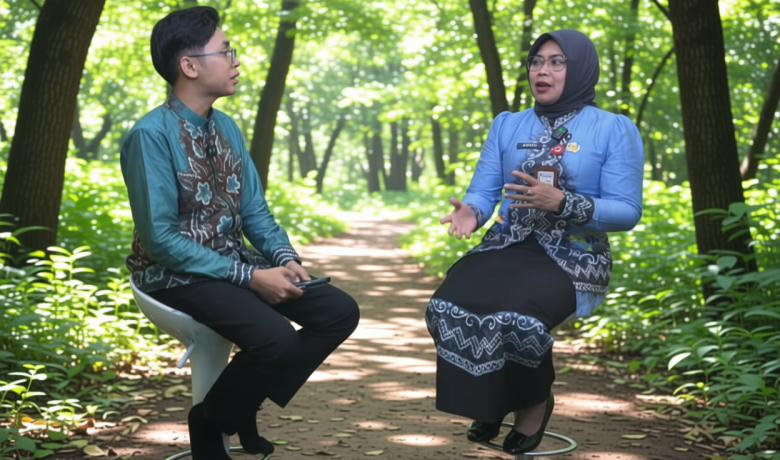
New Policy: BI Balikpapan Sekolahkan 100 UMKM Agar Naik Kelas
BI Balikpapan Launches New Policy to Elevate 100 UMKM Businesses New Policy - Bank Indonesia (BI) Balikpapan has introduced a groundbreaking New Policy aimed

BI Balikpapan Launches New Policy to Elevate 100 UMKM Businesses
New Policy – Bank Indonesia (BI) Balikpapan has introduced a groundbreaking New Policy aimed at empowering 100 small and medium enterprises (UMKM) across Balikpapan, Penajam Paser Utara, Paser, and the Ibu Kota Nusantara (IKN) region. This initiative, which combines theoretical knowledge with hands-on practical training, is designed to equip entrepreneurs with the tools needed to scale their businesses and enhance competitiveness in both domestic and international markets. The New Policy is part of BI’s broader efforts to foster economic growth through targeted support for UMKM, which are often the backbone of local economies.
Central to the New Policy is the belief that UMKM are not just economic contributors but essential drivers of innovation and community development. By investing in these businesses, BI aims to create a sustainable ecosystem that encourages entrepreneurship, reduces unemployment, and stimulates local production. The program includes a series of workshops and mentorship sessions tailored to the unique needs of each participant, ensuring that the training is both relevant and impactful. This approach reflects a strategic shift in how financial institutions are supporting small businesses, emphasizing personalized development rather than one-size-fits-all solutions.
UMKM as Economic Pillars
Kepala Perwakilan BI Balikpapan, Robi Ariadi, highlighted the critical role of UMKM in shaping the economic landscape. “UMKM is the lifeblood of our economy, providing employment opportunities and driving consumption. The New Policy is a direct response to the challenges they face, such as limited access to capital, lack of modern business practices, and the need for digital transformation,” he explained in an official statement on Monday (22/6/2026). His remarks underscore the importance of nurturing UMKM as a means to ensure economic resilience and diversification.
“UMKM adalah pilar utama perekonomian, karena memberikan ruang bagi pengusaha lokal untuk berkembang dan berkontribusi pada pertumbuhan ekonomi,” kata Robi Ariadi. Kebijakan baru ini juga bertujuan untuk membuka peluang bagi UMKM dalam mengakses pasar ekspor, melalui peningkatan keterampilan pemasaran dan pengelolaan keuangan. Dengan demikian, BI Balikpapan berharap program ini bisa menjadi bentuk kebijakan yang konkret dan berdampak jangka panjang.
Program Structure and Training Modules
The New Policy is structured into two distinct tracks to address the varying stages of UMKM development. The first track, “Fondasi Usaha,” is tailored for emerging businesses, covering fundamental topics such as business planning, operational management, and digital marketing. The second track, “Akselerasi Usaha,” targets more established UMKM looking to expand their reach, focusing on export readiness, storytelling techniques, and market analysis. These modules are developed in collaboration with industry experts and local stakeholders, ensuring that the training aligns with current market demands and trends.
By integrating both theoretical and practical components, the New Policy seeks to bridge the gap between education and real-world application. Participants will not only learn about financial strategies but also gain insights into how to leverage technology for efficiency and scalability. This dual approach is intended to create a holistic development plan that supports UMKM in achieving long-term success. The program is expected to run for several months, with regular follow-ups to monitor progress and provide additional guidance.
Selection Criteria and Collaboration with Local Partners
The New Policy also emphasizes a rigorous selection process to identify the most promising UMKM. Candidates are recommended by three regional governments, Otorita IKN, and several local corporations, ensuring a diverse range of participants with varied industry backgrounds. The selection criteria include a strong commitment to innovation, a clear growth trajectory, and the potential to contribute to the regional economy. This collaborative effort highlights BI’s dedication to fostering partnerships that amplify the impact of the New Policy.
Additionally, the program incorporates input from UMKM practitioners who have successfully navigated the global market. These mentors, hailing from Jawa Barat and Jawa Timur, bring real-world experience and insights, helping participants understand the nuances of international trade. The New Policy is not just about training; it’s about creating a network of support that sustains UMKM growth even after the program concludes. This integrated strategy is crucial for long-term economic development and resilience.
Anticipated Outcomes and Future Goals
Robi Ariadi expressed confidence that the New Policy will yield significant results for the participating UMKM. “We expect to see improved operational efficiency, better financial management, and increased market visibility among the 100 businesses involved,” he said. The program also aims to inspire other regions to adopt similar initiatives, fostering a nationwide movement to elevate UMKM through targeted training and policy support. With a focus on inclusivity and innovation, the New Policy is designed to leave a lasting impact on the local business landscape.
As part of the New Policy, BI Balikpapan has also partnered with local institutions to provide resources and infrastructure for UMKM development. This includes access to financial tools, business advisory services, and networking opportunities. The initiative is closely tied to the Road to Pekan Ekonomi Syariah Nusantara (PESAN) 2026, which is expected to bring together various stakeholders to discuss sustainable economic strategies. The New Policy thus represents a comprehensive approach to UMKM empowerment, combining education, support, and collaboration.